
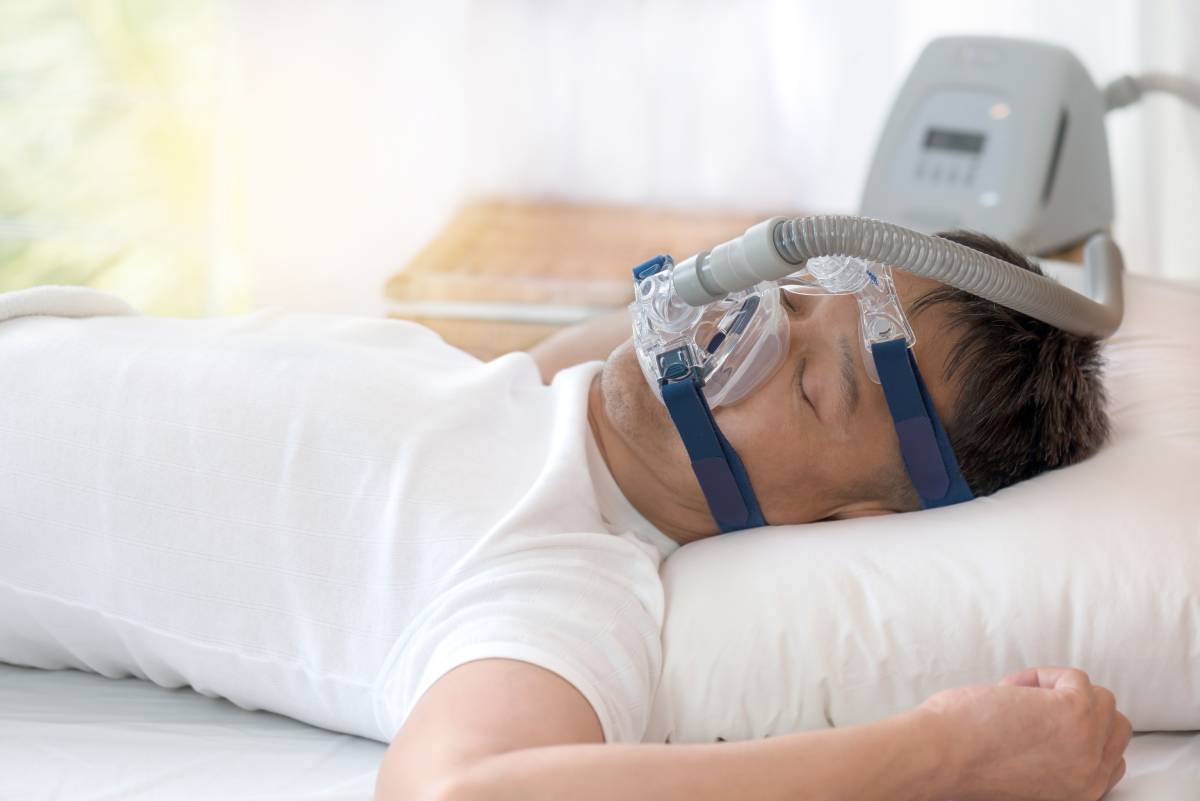
Getting enough quality rest is important. Adults should aim for 7 to 9 hours of sleep each night. Trouble falling asleep, waking up too early, and frequent nighttime wakeups are common issues. These can affect the amount and quality of your sleep. Sleep issues impact your health and overall quality of life. Sleep apnea is a common cause of poor sleep. Getting treatment and using the equipment correctly is essential. You may wonder how often CPAP masks and equipment should be replaced. Below you will find helpful information to ensure you get good sleep.
How Often Should CPAP Masks and Equipment Be Replaced?
Using a CPAP machine can make a huge difference in your sleep. It can also have a positive impact on your energy and long-term health. Over time, CPAP machine parts wear out and collect bacteria. They can also stop sealing properly. Issues with your CPAP machine can affect your sleep quality. Symptoms can return, and you may notice yourself struggling with daytime fatigue. This is why regular replacement is necessary. It ensures the equipment stays clean, safe, and effective.
There are several components to the CPAP machine. Each part of the system has its own lifespan. This is true even if you use it properly and regularly clean the system. Equipment issues often cause air leaks, reduced pressure, and discomfort. Even if you do not notice, it is important to replace the parts based on the following schedule.
Mask Cushion
The mask cushion should be replaced at least once a month. Mask cushions absorb oils, sweat, dirt, and bacteria. This is because they sit directly on your skin when you sleep. When they are not replaced, the silicone breaks down, leading to air leaks and irritation. You may notice the mask gets soft or sticky. When this happens, it should be replaced immediately.
Full Mask
The full mask should be replaced at least every 3 months. This includes the frame and the cushion. The material naturally ages, losing its shape and flexibility. This makes it difficult to get a good seal. This reduces the pressure needed to keep your airway open while you sleep. If you notice any symptoms of poor sleep, it may be time to replace your full mask.
Headgear and Straps
The headgear and straps should be replaced at least every six months. Headgear stretches, even when it is used properly. When these parts become loose, they need to be tightened further and further. This can leave pressure marks and cause discomfort throughout the night. It can also cause your mask to shift while you sleep. This leads to leakage and means that the equipment is not working properly.
Tubing
The tubing needs to be replaced at least every three months. The tubes carry air from the machine to your mask. It is warm and moist, which can cause buildup inside. This is a breeding ground for bacteria and mold. The tubing is also susceptible to cracking, which can cause air leaks.
Filters
The filters should be replaced at least every four weeks. Filters reduce the impact of dust, pollen, and other airborne particles. Over time, the filters block airflow. This forces the machine to work much harder. Dirty filters can also allow irritants to enter your airways.
Humidifier Chamber
The humidifier chamber should be replaced at least every six months. The chamber holds water that turns into moisture. This is what you ultimately breathe in through the tubes. Consistent use causes mineral buildup, cracks, and cloudiness. When this occurs, you may notice dryness or irritation in your nose or throat.
Risks Associated with Using Old CPAP Masks and Equipment
A CPAP machine is highly effective when used properly. Those with sleep apnea should be aware of the risks associated with not replacing their machine’s parts. Using a worn-out CPAP can lead to several unwanted issues. When this occurs, it can impact your health and quality of life.
Reduced Pressure
A proper seal is integral to the CPAP machine’s overall effectiveness. When the mask, cushions, and straps wear down, they can no longer seal properly. This causes air leaks, reducing pressure. Your symptoms may return and cause sleep issues. This includes snoring or waking up gasping for air. This can impact your treatment progress and cause long-term health issues.
Reduced Treatment Success
If you have been diagnosed with sleep apnea, a CPAP machine and equipment are a necessary part of your treatment plan. When you do not replace the mask and equipment regularly, your symptoms can return. This can cause daytime fatigue, difficulty concentrating, and headaches upon waking. Sleep apnea without a consistent treatment plan can cause several long-term health issues. This is why it is important to work with a skilled sleep specialist. They will create a customized treatment plan based on your unique needs.
Bacterial Growth
Failing to replace your CPAP mask and equipment can lead to bacterial and mold growth. Moisture from your breath collects inside the mask, tubing, and humidifier chamber. Over time, the parts age and tiny cracks form. This can trap mold and harmful bacteria. When you breathe in, the particles can irritate your lungs. This can lead to congestion, coughing, and sinus infections. You can easily avoid this by regularly replacing your CPAP equipment parts.
Sleep Disruptions
Failing to replace your CPAP equipment can cause sleep disruptions due to noise. Worn-out tubing and loose connections can cause noise. Hissing or whistling sounds can impact you or your partner’s sleep. The purpose of a CPAP machine is to help you get good quality rest. Reduce the impact on your and your partner’s sleep by regularly replacing your equipment.
Top Sleep Specialist
Sleep is an important part of your health. If you have been struggling with sleep, contact the team at Sleep MD today to schedule your consultation!